If you picture beach-town living as either a busy tourist strip or a quiet, isolated shoreline, St. Augustine Beach offers something more balanced. You get direct access to the Atlantic, a compact city layout, and a daily rhythm shaped by parks, local events, and easy access to the broader St. Augustine area. If you are thinking about buying a primary home, a lower-maintenance condo, or a future retirement property here, it helps to understand how this community actually lives day to day. Let’s dive in.
What St. Augustine Beach Feels Like
St. Augustine Beach is a small incorporated city in St. Johns County, about five miles southeast of St. Augustine. The city covers about 2.5 square miles and provides its own local services, including police, planning and zoning, building inspection, road maintenance, drainage, and street lighting.
That small footprint matters when you think about daily life. Instead of feeling spread out, the city tends to feel close-knit and easy to navigate. You are living in a beach setting, but with a more established, practical rhythm than a purely vacation-driven area.
Population data also helps tell the story. According to ACS 2018 through 2022 data, St. Augustine Beach had 6,353 residents, 2,974 households, a median age of 58, and a 65-and-older share of 28.24%.
For many buyers, that points to a community that may appeal to full-time residents, second-home owners, and downsizers looking for a calmer coastal pace. At the same time, you are still close to the history, arts, and dining options connected to St. Augustine and Florida’s Historic Coast.
Beach Access Is Part of Daily Life
In St. Augustine Beach, the shoreline is not just a backdrop. It is part of how people move through the week. St. Johns County identifies multiple authorized beach access points in and around the area, including A Street, Ocean Trace Road, Dondanville Road, Matanzas Avenue, Mary Street, and the St. Augustine Beach Pier area.
The county also notes that beach driving is available on roughly 12 miles of beaches in St. Johns County, depending on weather and tide conditions. A valid beach pass is required from March 1 through September 30.
This setup gives you options, but it also creates structure. Beach use here is managed, with official rules that prohibit alcohol, glass containers, open fires, fireworks, off-leash pets, and launching jet skis from the beach.
That organized approach can be a real plus if you want predictable access and a well-maintained public shoreline experience. The local police page also notes a seasonal beach-driving curfew from May 1 through October 31, and beach wheelchairs are available at no charge with three days’ notice.
Pier Park Anchors the Community
If you want one place that helps define St. Augustine Beach, start with Pier Park. It serves as a central public gathering space and combines several of the amenities that shape everyday life in the city.
The city lists beach access, a fishing pier, splash park, playground, volleyball courts, bocce ball, restrooms, showers, picnic tables, a covered pavilion, and parking at Pier Park. St. Johns County lists 211 parking spaces at the pier area.
For buyers, this matters because it shows how much local life is centered around shared outdoor spaces. You are not relying on private clubs or long drives to enjoy the coast. Much of the appeal is built into the city’s public spaces.
Pier Park also supports the social side of life here. It is home to recurring events and markets that give the area a familiar, community-based rhythm rather than a one-note resort feel.
Ocean Hammock Park Adds a Natural Side
While the pier area is the social hub, Ocean Hammock Park brings a quieter shoreline option. The city says the park provides beach access, parking, restrooms, showers, and trail-style improvements.
The park was developed to preserve one of the last large undeveloped oceanfront tracts in south St. Johns County. That preservation purpose gives the area a different feel from the more active pier zone.
For you as a buyer, that means St. Augustine Beach offers more than one coastal experience. Some days may feel social and active, while others can feel simpler and more nature-focused, without leaving the city.
Housing Options Are More Varied Than Many Buyers Expect
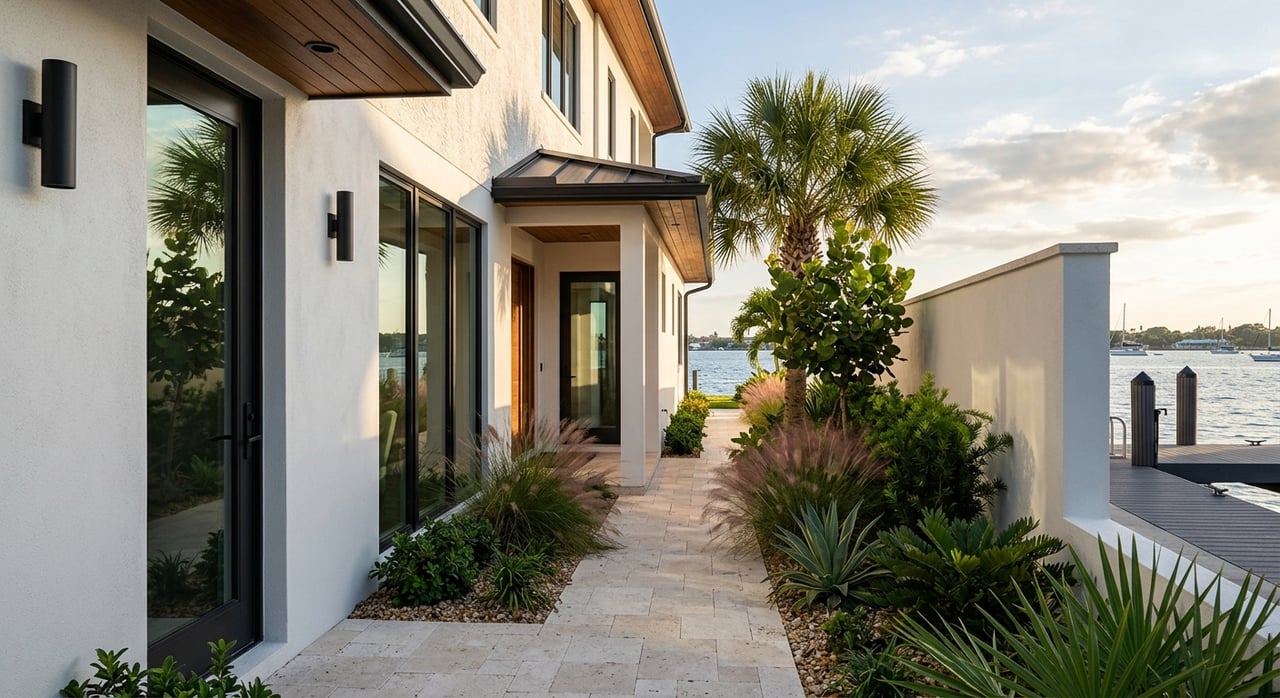
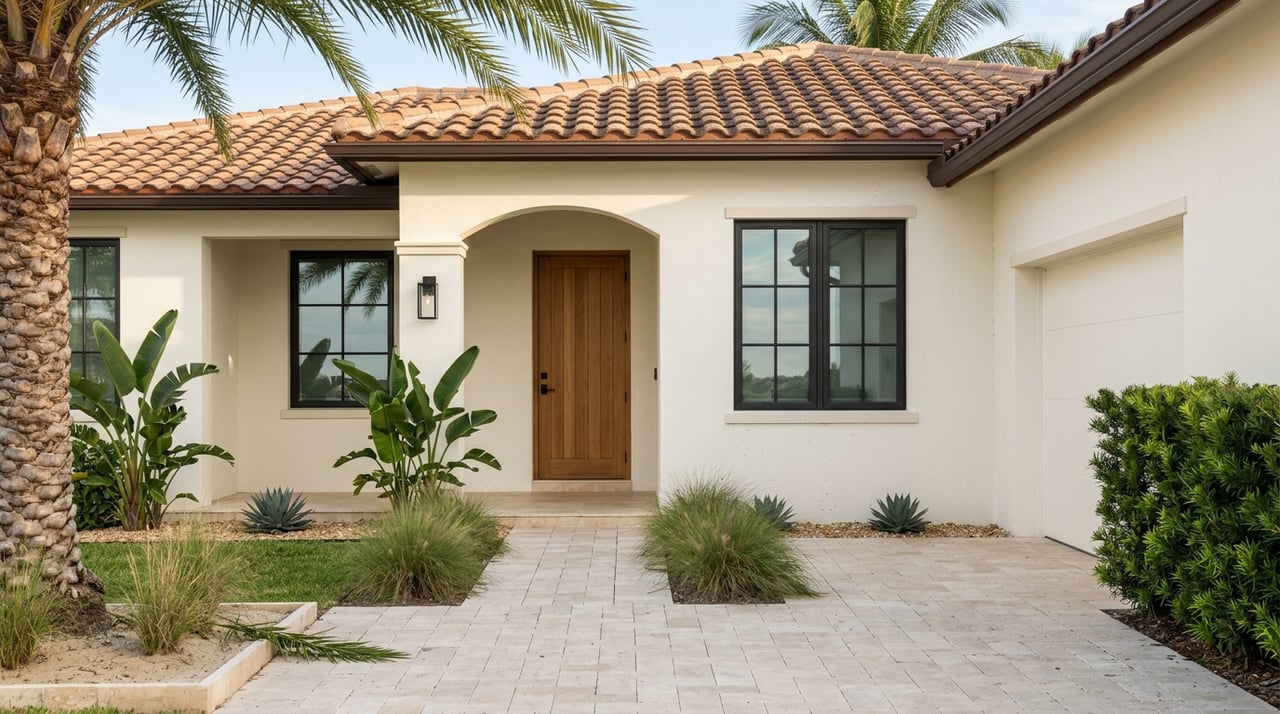
A lot of buyers assume beach communities are mostly single-family homes or mostly condos. In St. Augustine Beach, the housing mix is broader than that.
ACS 2018 through 2022 data show 4,646 total housing units in the city. That includes 2,453 single-family units, 2,127 multi-family units, and 66 mobile-home units.
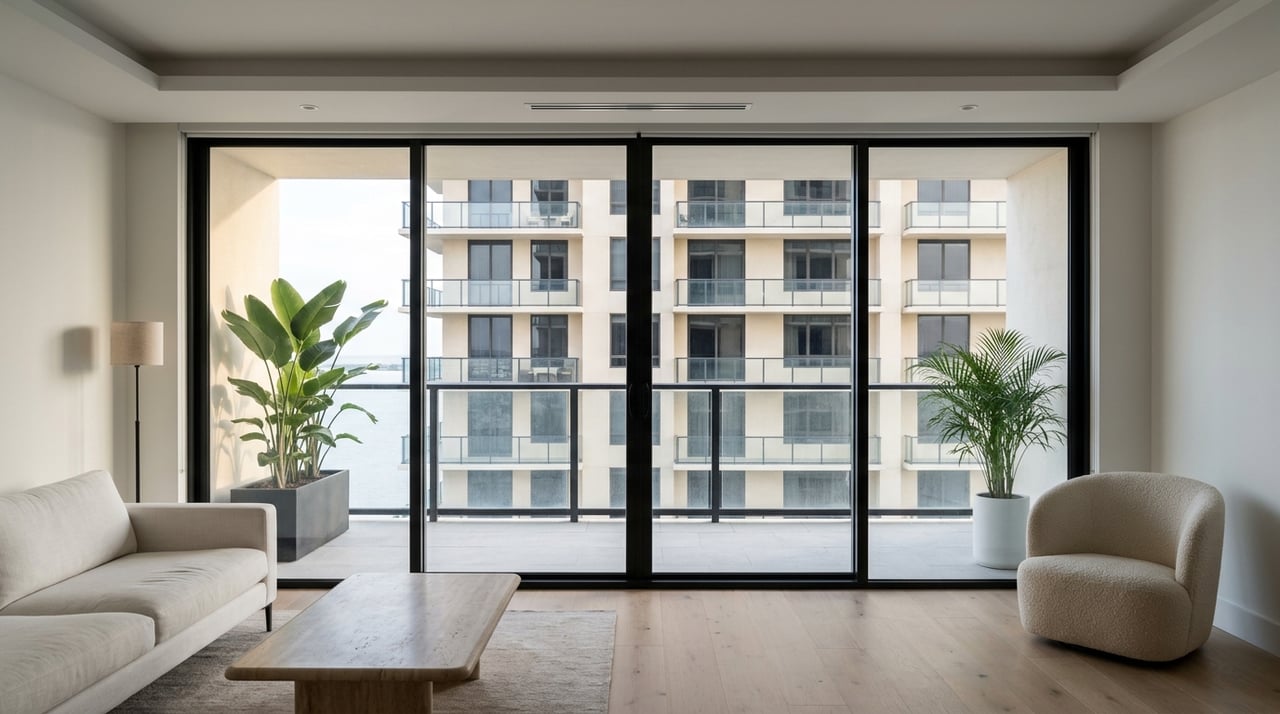
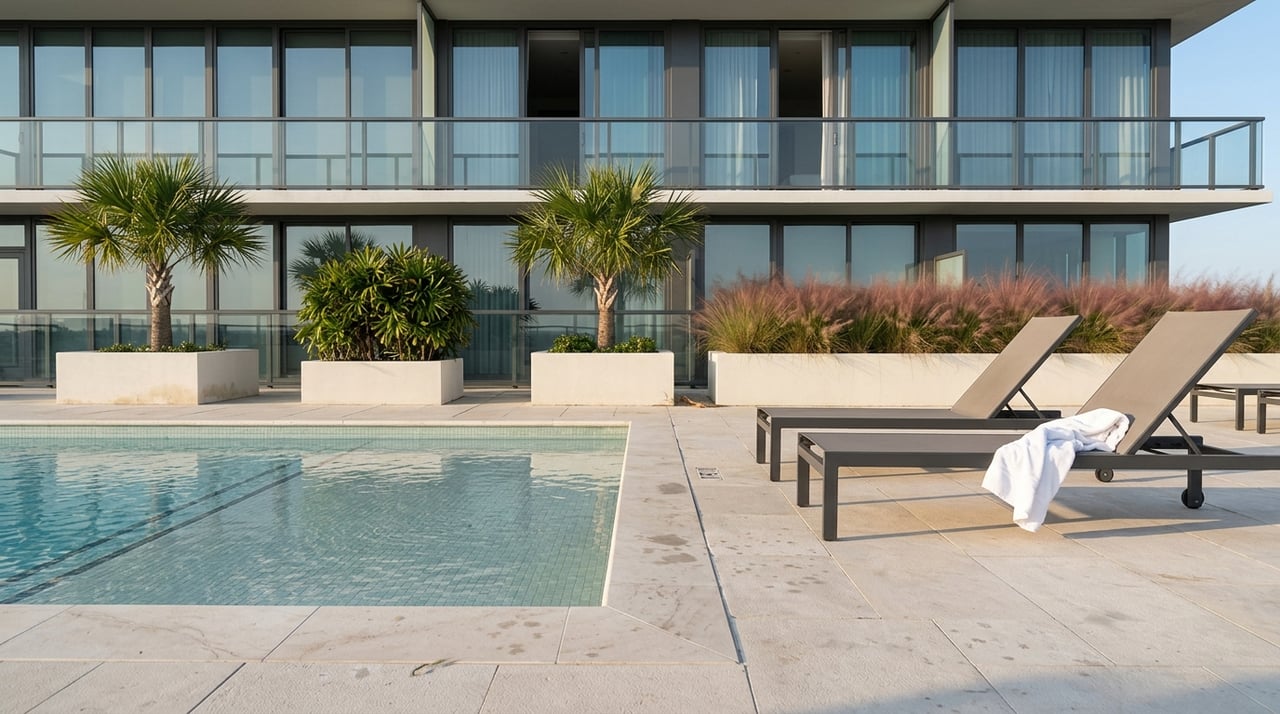
This is useful if you are trying to match your home search to your lifestyle. Detached homes may appeal if you want more privacy or space, while condos and other attached options may fit buyers looking for lower-maintenance living.
The same data show 2,149 owner-occupied units, 824 renter-occupied units, and 1,672 vacant units. The data do not classify those vacant units by seasonal use, but the numbers do suggest a market with a meaningful ownership base and a mix of full-time and occasional-use housing patterns.
What the Market Suggests for Buyers
The median housing value in St. Augustine Beach is $475,800, based on ACS 2018 through 2022 data. Residential land use accounts for 73.04% of mapped acreage in the city, which helps explain why housing is such a major part of the local footprint.
Another helpful detail is tenure. The median year a householder moved into their unit was 2014 overall, 2013 for owner-occupied homes, and 2019 for renter-occupied units.
That pattern points to a relatively stable owner base. If you are considering a full-time move, second home, or future downsizing plan, that kind of stability may be part of the appeal.
From a practical search standpoint, buyers should be ready for a coastal market that includes both lifestyle value and higher entry costs than many inland areas. This is where clear guidance can help you compare condos, townhome-style options, and single-family homes based on how you actually want to live.
Weekday Living Is Easygoing
One of the best ways to understand a place is to look at what happens on an ordinary Wednesday. In St. Augustine Beach, one of the clearest weekday anchors is the Wednesday Pier Farmers Market at Pier Park.
The market operates every Wednesday. Hours are 8:00 a.m. to noon from May through October and 8:00 a.m. to 1:00 p.m. from November through April.
The market focuses on local food and local art, and it gives residents and visitors a regular midweek gathering place. That kind of consistency says a lot about daily life here.
Dining also supports that easygoing pattern. Near the beach, well-known spots include Salt Life Food Shack, Beachcomber Restaurant, and the Original Café Eleven, all associated with casual dining and beach-adjacent settings on or near A1A Beach Boulevard.
Weekends Turn More Social
Weekends in St. Augustine Beach tend to build around a few repeatable gathering points. The city’s events calendar highlights activities like a Night Market with live music, food trucks, local artisans, and family-friendly programming, along with events such as an End of Summer Beach Bash at Pier Park and a Holiday Market at the Pier.
That event pattern helps explain the local rhythm. During the week, life can feel routine-friendly and relaxed. On weekends, the same public spaces become more social without making the city feel overly crowded or high-rise driven.
For many buyers, that is an attractive middle ground. You get enough activity to keep the area lively, but the community still feels manageable and local.
How St. Augustine Beach Compares
If you are weighing beach towns across Northeast Florida, context helps. Compared with Jacksonville Beach and the Duval County coastline, St. Augustine Beach is generally more compact and less metropolitan.
Florida DEP describes Duval County as predominantly urban with a metropolitan atmosphere. St. Augustine Beach, by contrast, has a smaller city footprint and a more concentrated pier-and-park core.
It also sits in a different lane than preserve-oriented coastal areas. Compared with the GTM Research Reserve, which emphasizes trails, paddling, bird-watching, and visitor-center experiences, St. Augustine Beach is more centered on the beach, parks, restaurants, and recurring community events.
That makes it a strong fit if you want beach access and community activity without the larger-city feel of some coastal markets. It also works well if you want the ocean close by, while still being near the history and arts scene of St. Augustine.
Who May Feel at Home Here
St. Augustine Beach can appeal to several types of buyers because the lifestyle is flexible. If you are relocating, you may appreciate the manageable size, public amenities, and variety of housing types.
If you are downsizing, the mix of condos and attached housing may support a lower-maintenance lifestyle near the coast. If you are planning for a second home now and a full-time move later, the established owner base and community infrastructure may stand out.
The key is to match the property type to the life you want day to day. In a market like this, that usually means thinking beyond square footage and focusing on access, maintenance level, and how close you want to be to the pier, parks, and beach entry points.
What to Consider Before You Buy
Before you buy in St. Augustine Beach, it helps to look at a few practical questions:
- Do you want a single-family home, condo, or another attached option?
- How important is walkable or short-drive access to the beach?
- Would you use the home full time, part time, or as a future retirement plan?
- Do you prefer being near Pier Park and event activity, or closer to quieter shoreline access like Ocean Hammock Park?
- How much maintenance do you want to handle yourself?
These are the kinds of questions that can sharpen your search quickly. In a beach market with several housing formats and a very specific lifestyle pattern, clarity upfront can save time and help you make a more confident decision.
If you are exploring St. Augustine Beach and want a clear, low-pressure look at your options, Eric Womack can help you compare homes, condos, and lifestyle fit across Northeast Florida.
FAQs
What is daily life like in St. Augustine Beach?
- Daily life in St. Augustine Beach tends to feel relaxed and routine-friendly, with regular beach access, public parks, casual dining, and recurring community events centered around the pier area.
What types of homes are available in St. Augustine Beach?
- Housing data show a mix of single-family homes, multi-family properties such as condos or attached housing, and a small number of mobile-home units.
What makes Pier Park important in St. Augustine Beach?
- Pier Park is a major community hub with beach access, a fishing pier, splash park, playground, sports courts, restrooms, picnic areas, and regular public events.
What should buyers know about beach access in St. Augustine Beach?
- Buyers should know there are multiple authorized access points, some beach driving is allowed depending on conditions, and local rules regulate items like alcohol, glass containers, pets, and seasonal driving hours.
How does St. Augustine Beach compare with Jacksonville Beach?
- St. Augustine Beach is generally more compact and less metropolitan than Jacksonville Beach, with a smaller-city feel and a lifestyle centered on the pier, parks, and community events.
Is St. Augustine Beach a good option for downsizing?
- It can be a practical option for downsizing because the city has a meaningful mix of multi-family housing and a lifestyle built around public amenities, beach access, and lower-maintenance living options.