Curious what it really feels like to live in one of Miami’s luxury waterfront condo towers day after day? The views may grab your attention first, but everyday life is usually shaped just as much by service, building systems, walkability, and how the neighborhood works around you. If you are comparing Brickell, Edgewater, or Miami Beach, this guide will help you picture the routine, the convenience, and the practical details that matter before you buy. Let’s dive in.
What Daily Living Feels Like
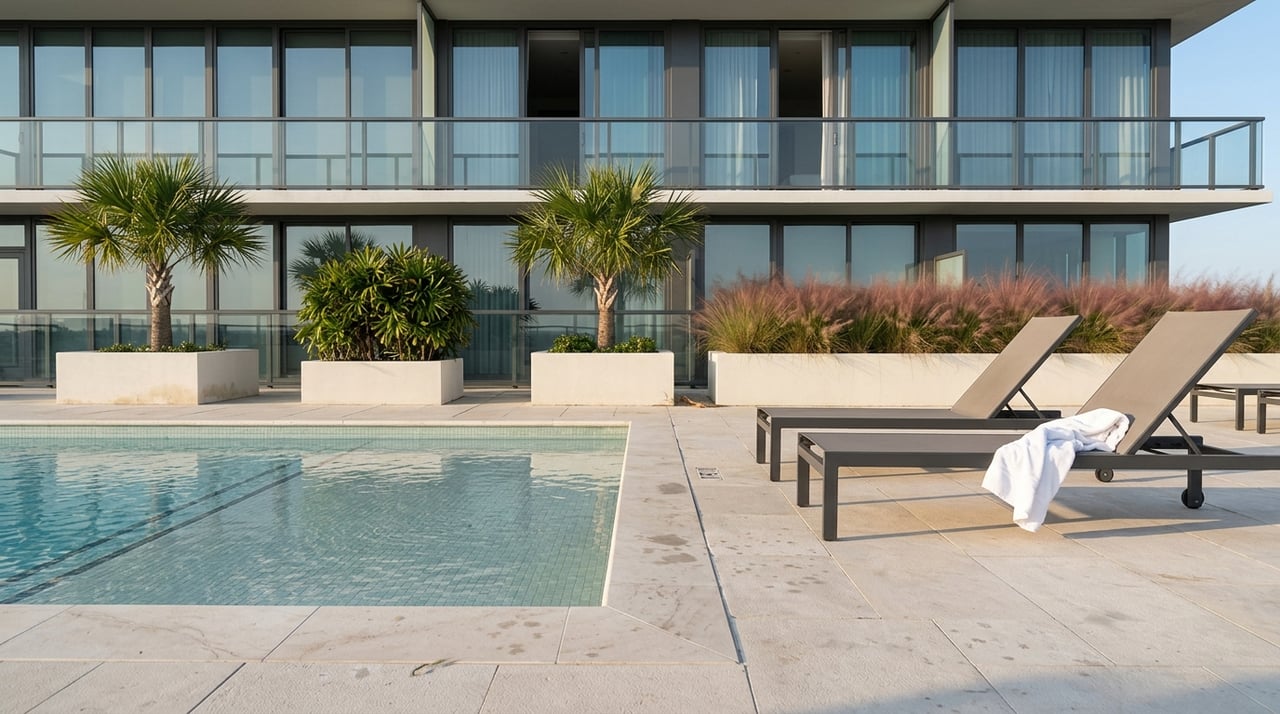
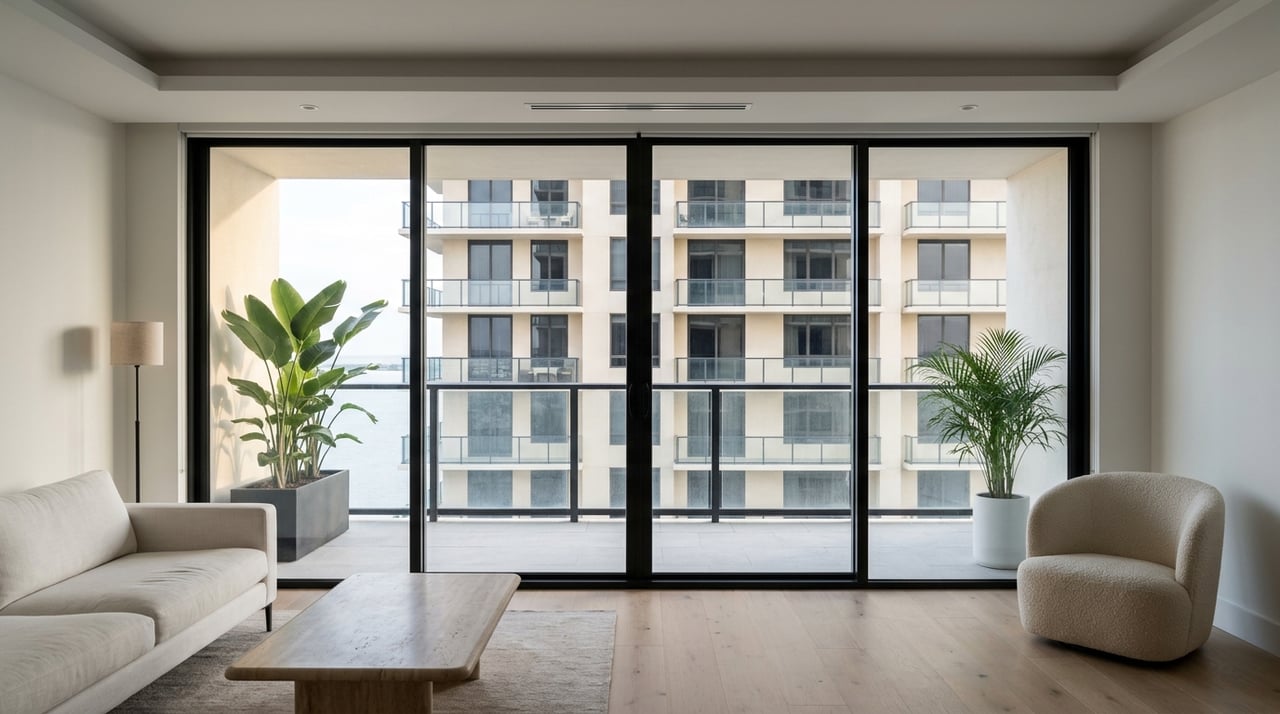
In Miami’s luxury waterfront towers, your home often extends well beyond your front door. Many buildings are designed around a service-forward lifestyle, with features like concierge support, valet, package handling, lounges, pools, spas, guest accommodations, and broad terraces with bay or ocean views.
That creates a different rhythm than a single-family home. Instead of handling yard work, exterior upkeep, and many day-to-day logistics on your own, you may be living in a setting where staff, shared amenities, and building operations support much of your routine.
Several current Miami luxury towers reflect that pattern. Buildings in areas like Brickell, Edgewater, and Miami Beach commonly promote concierge-style services, valet, doorman or porter support, package rooms, resort-style pools, and resident amenities that make daily life feel more turnkey.
Why the Lifestyle Feels Hotel-Like
One of the biggest shifts in condo tower living is convenience. In many luxury waterfront buildings, services like valet, concierge, staffed entry, package management, and on-site support help simplify tasks that can take more time in other property types.
That does not mean every building offers the same experience. Some towers emphasize privacy and resident-only amenities, while others lean harder into resort-style services such as dining, beach club access, or in-residence support. The overall appeal is that the building itself becomes part of how you live.
For many buyers, that is the real draw. You are not only buying square footage and a view. You are also buying into a daily routine built around easier arrivals, smoother deliveries, shared amenity access, and less hands-on maintenance.
Brickell: Urban and Transit-Friendly
What makes Brickell different
Brickell sits within Miami’s larger urban core, where residential, office, retail, hotel, park, museum, and government uses all come together. That mixed-use layout helps create a day-to-day lifestyle centered on convenience, shorter trips, and easy access to dining and services.
The Miami Downtown Development Authority highlights features like Baywalk and Riverwalk connections, larger sidewalks, waterfront access, and mass transit within roughly 5 to 10 minute walks. For you, that can translate into a more connected routine where daily errands and outings may require less driving.
How you get around in Brickell
Brickell is the most transit-oriented of Miami’s main waterfront luxury condo corridors. Metromover operates seven days a week in downtown Miami, Omni, and Brickell, and the City of Miami’s Biscayne trolley route also serves Downtown Miami, Brickell, and the Biscayne corridor.
That makes Brickell especially appealing if you want a more car-light lifestyle. You can often combine walking, trolley access, and Metromover use for workdays, social plans, and basic errands within the urban core.
Edgewater: Residential Bayfront Living
What everyday life looks like in Edgewater
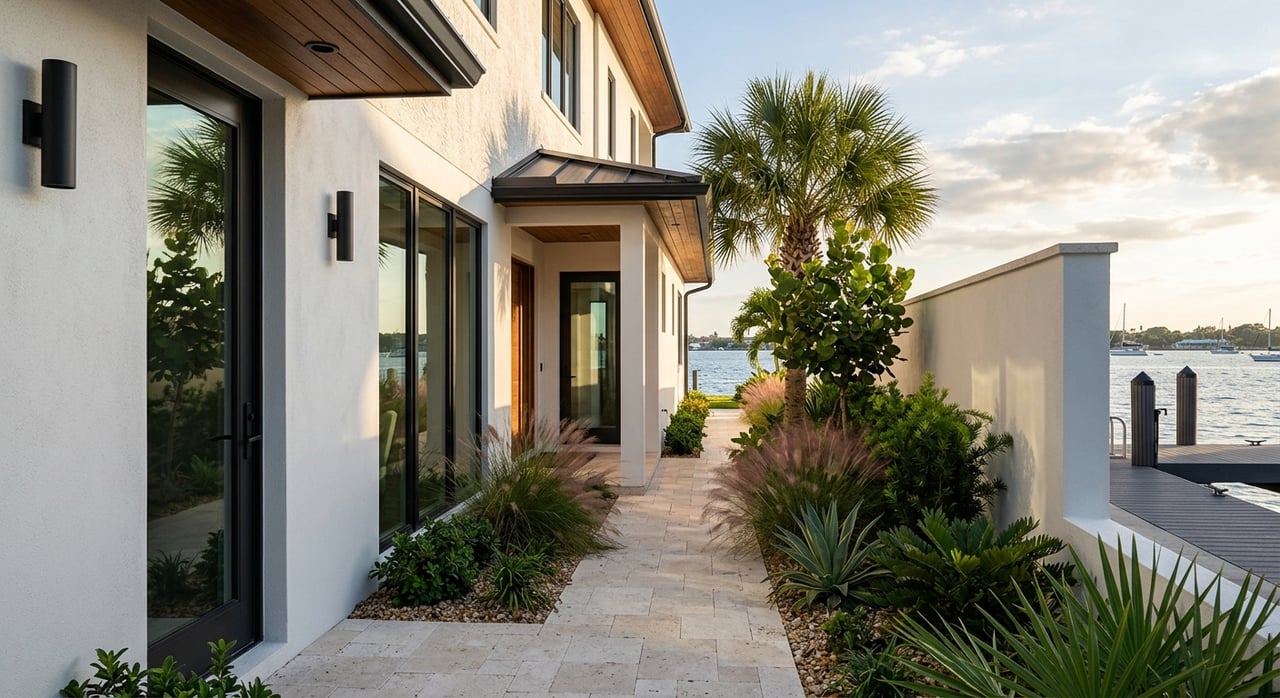
Edgewater tends to feel more residential than Brickell. While it still offers access to the city, its character is shaped more by Biscayne Bay, shoreline improvements, and nearby parks than by a business-district atmosphere.
The area’s ongoing public projects reinforce that identity. The City of Miami’s work at Margaret Pace Park includes shoreline stabilization, walkway revisions, water access for non-motorized vessels, and a kayak launch, while seawall replacement projects continue along parts of Biscayne Bay.
Why park and shoreline access matter
If you are drawn to water views but want a softer daily pace than Brickell, Edgewater may stand out. The neighborhood’s bayfront setting and park connections can make morning walks, outdoor time, and waterfront access feel more integrated into your routine.
That does not automatically mean it is quieter in every location or tower. It means the surrounding environment is more defined by residential bayfront living and coastal infrastructure than by the dense, mixed-use feel you see in Brickell.
Miami Beach: Beachwalk and Resort Rhythm
What makes Miami Beach unique
Miami Beach offers the most beach- and promenade-centered lifestyle of the three. The city’s Beachwalk is a seven-mile oceanfront pedestrian promenade designed for joggers, cyclists, and seaside walks, and the city also notes that it has more than 40 parks and facilities.
If your ideal day includes regular ocean access, outdoor movement, and a resort-style setting, Miami Beach often delivers the strongest version of that pattern. The area’s layout supports a more leisure-driven routine than the business-focused feel of Brickell.
How mobility works in Miami Beach
Miami Beach also has a free citywide trolley system that runs 15 hours a day, seven days a week, at roughly 20-minute frequency. The South Beach trolley connects riders to places like restaurants, grocery stores, pharmacies, museums, parks, shopping areas, marinas, and the convention center.
That gives you a practical way to move around without relying on a car for every short trip. It is worth noting that the City of Miami trolley does not go to Miami Beach, which is part of why Brickell and Miami Beach function differently in everyday life.
The Lock-and-Leave Appeal
For many buyers, the biggest lifestyle benefit of a luxury condo tower is the ability to leave for days, weeks, or longer with fewer property responsibilities than a detached home. Florida condominium law supports that model by making the association responsible for maintenance of the common elements, except where governing documents assign certain limited-common-element responsibilities to the unit owner.
In practical terms, that means much of the shared-property upkeep is handled at the building level. That structure is a major reason condo living can feel more travel-friendly, especially in service-oriented towers with staffed access, package handling, valet, and on-site management.
Still, the lock-and-leave experience is not identical in every building. It depends on the association, the service model, and how the tower is actually operated day to day.
What Buyers Should Review Closely
Building age and inspection rules
If you are considering a waterfront condo in Miami, views and amenities should not be your only focus. Building age, structural reviews, and reserve planning are just as important, especially in coastal environments.
Florida law requires milestone inspections for condominium or cooperative buildings that are three habitable stories or more, generally by the year the building reaches 30 years of age and every 10 years after that. Local enforcement can require the inspection at 25 years if local conditions, including proximity to salt water, justify it.
Florida also requires qualifying condo buildings to complete a Structural Integrity Reserve Study, or SIRS, at least every 10 years. These studies are separate from milestone inspections, and both play a meaningful role in how you evaluate older versus newer towers.
Reserve funding matters
Reserve planning is no longer something buyers should treat as a minor line item. For budgets adopted on or after December 31, 2024, Florida condo owners may not vote to waive or reduce reserves for items required in a structural integrity reserve study.
That matters because condo fees do more than support amenities. They also help fund common-element maintenance and required reserve obligations tied to the building’s long-term condition.
Sales contract disclosures
Florida condo sales contracts now must address milestone-inspection and SIRS status in certain situations, including buyer receipt of relevant documents before execution where required. If you are comparing several towers, this is one of the most important practical differences between a polished showing and a well-informed purchase decision.
Flood Reality Is Part of Waterfront Living
Waterfront living in Miami comes with real lifestyle benefits, but it also comes with flood-related planning. Miami-Dade County identifies flooding as one of its most persistent threats, noting that heavy rain can overwhelm drainage, storm surge can cause major damage, and king tides can affect low-lying areas.
Miami Beach also states that its low elevation and surrounding waters create ongoing drainage and flooding challenges. In everyday terms, that can affect parking access, travel plans, insurance considerations, and how a building prepares for high-water events.
The city even offers a King Tide Flood Relief Parking Program for certain low-elevation properties. That detail tells you something important: in some parts of the waterfront market, flood planning is not just a seasonal headline. It is part of normal ownership due diligence.
How To Compare Towers Smartly
When you tour Miami luxury waterfront condos, it helps to compare the lifestyle and the building operations at the same time. A beautiful residence can still be the wrong fit if the tower, location, or maintenance picture does not match how you want to live.
A practical comparison checklist includes:
- The surrounding lifestyle, such as urban walkability, bayfront parks, or beach access
- Transit options and how often you expect to drive
- Service level, including concierge, valet, package handling, and staffed access
- Building age and whether milestone inspection timing is a factor
- Structural Integrity Reserve Study status and reserve funding approach
- Flood exposure, parking access considerations, and building mitigation planning
- The difference between amenity appeal and long-term ownership costs
That kind of side-by-side review usually leads to better decisions than focusing on finishes alone. In a market like Miami, the best fit is often the tower that supports your routine as well as your view.
If you want clear, low-pressure guidance as you compare condo lifestyles, building details, and purchase timing, Eric Womack is here to help you sort through the options with a steady, informed approach.
FAQs
What is daily life like in Miami luxury waterfront condo towers?
- Daily life often feels service-oriented and convenient, with many towers offering amenities and support such as concierge services, valet, package handling, pools, lounges, and waterfront outdoor spaces.
What is the difference between Brickell and Miami Beach for condo living?
- Brickell is more transit-oriented and mixed-use, while Miami Beach is more centered on beach access, the Beachwalk, parks, and a resort-style daily rhythm.
Is Edgewater a good fit for bayfront condo buyers in Miami?
- Edgewater may appeal if you want a more residential bayfront setting shaped by parks, shoreline access, and coastal infrastructure rather than a dense business-district environment.
Can you live with less driving in Miami waterfront condo areas?
- In many cases, yes. Brickell benefits from Metromover and city trolley service, while Miami Beach has its own free trolley network for many everyday trips.
What should buyers check before buying a Miami waterfront condo?
- Buyers should review the building’s age, milestone inspection status, Structural Integrity Reserve Study requirements, reserve funding, service model, and flood-related planning before making a decision.
Do condo fees in Miami luxury towers only cover amenities?
- No. Condo fees can also support common-element maintenance, reserve funding, and building obligations that affect long-term ownership and building condition.