If you are drawn to Miami waterfront living, the hardest part may not be finding the view. It may be deciding what kind of ownership fits your life. A waterfront condo and a single-family waterfront home can both deliver the setting you want, but the day-to-day experience, costs, and responsibilities can look very different. This guide will help you compare both options in Miami-Dade so you can make a more confident decision. Let’s dive in.
Miami Waterfront Choices in Today’s Market
In Miami-Dade, condos and single-family homes are moving under very different market conditions. As of March 2026, condo and townhome inventory sat at 13.0 months of supply with 11,986 active listings, while single-family inventory was much tighter at 5.7 months of supply with 4,902 active listings. That means condo buyers generally have more choices, while single-family buyers may face a more competitive search.
Pricing and timing also differ. The countywide median sale price was $445,000 for condos and townhomes and $674,000 for single-family homes. Condos also took longer on average, with 72 days to contract and 113 days to sale, compared with 50 days to contract and 86 days to sale for single-family homes.
For waterfront buyers, these countywide numbers are not a substitute for neighborhood-level research, but they create a useful backdrop. In simple terms, condos may give you more options and more negotiating room, while single-family waterfront homes may offer less inventory and faster-moving opportunities.
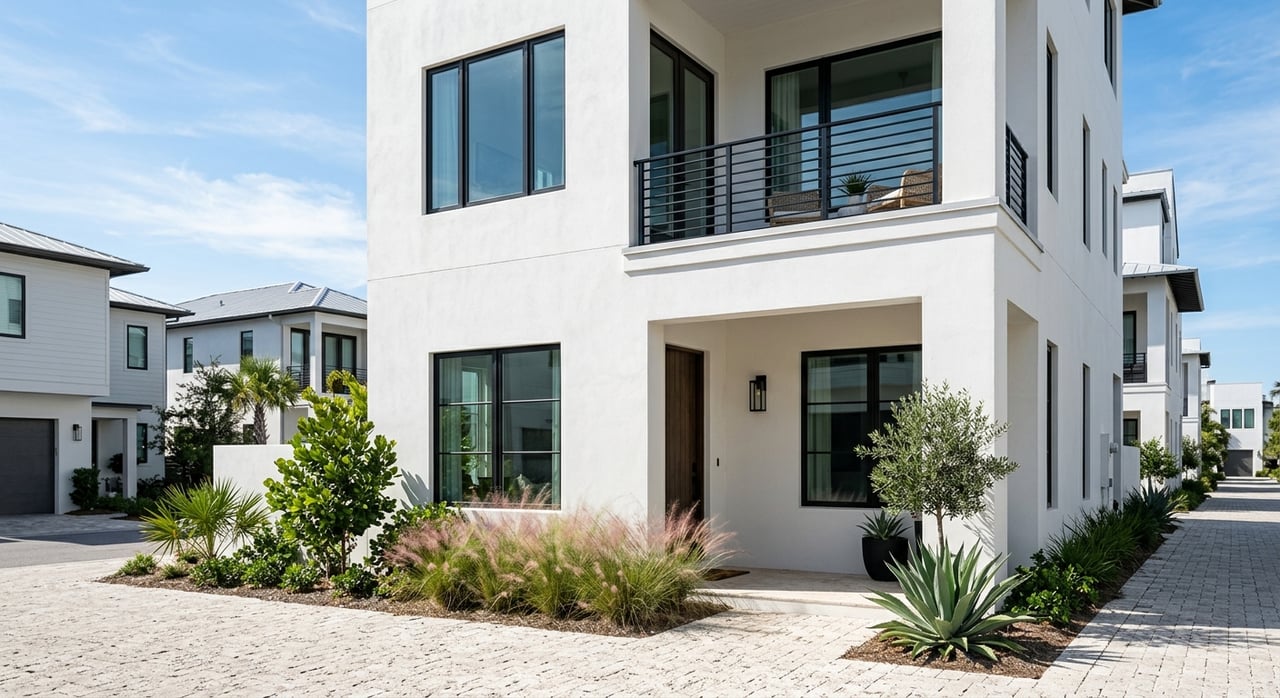
Waterfront Condos: Simpler Living, Shared Rules
A waterfront condo often appeals to buyers who want a lower-maintenance lifestyle. Under Florida condominium law, the association is generally responsible for common-element maintenance, repair, and replacement, unless the governing documents assign certain limited common-element responsibilities to the owner. In practice, that can mean less hands-on exterior upkeep for you.
That convenience comes with structure. When you buy a condo, you are also buying into the declaration, bylaws, rules, budget, and inspection-related documents. Those documents can affect everyday issues like pets, rentals, renovations, parking, and your exposure to future assessments.
This is especially important in Miami, where many waterfront buildings vary widely in age and condition. For many older buildings, reserve planning and inspection obligations now play a major role in ownership costs and buyer due diligence.
What Condo Buyers Should Review
Florida requires added attention to building safety and reserves for many residential condo buildings. For budgets adopted on or after December 31, 2024, certain unit-owner-controlled associations that are required to obtain a structural integrity reserve study generally cannot waive or underfund reserves for the structural items covered by that study. Those items include major components such as the roof, structure, fire systems, plumbing, electrical systems, waterproofing and exterior painting, and windows and exterior doors.
As a buyer, you are entitled to important records before closing. These include the declaration, articles, bylaws and rules, annual financial statement and annual budget, milestone inspection summary if applicable, the most recent structural integrity reserve study or a statement that none exists, and any turnover inspection report if applicable. Reviewing those materials can help you understand both the lifestyle and the financial health of the building.
Why Some Buyers Prefer Condos
A condo may be the better fit if you want:
- Less direct responsibility for exterior maintenance
- Shared amenities and services
- A more lock-and-leave lifestyle
- More available inventory to compare in the current market
- Potentially more flexibility in negotiations because of longer market times
For some buyers, especially those who value convenience and a more streamlined daily routine, that tradeoff feels well worth it.
Single-Family Waterfront Homes: More Control, More Responsibility
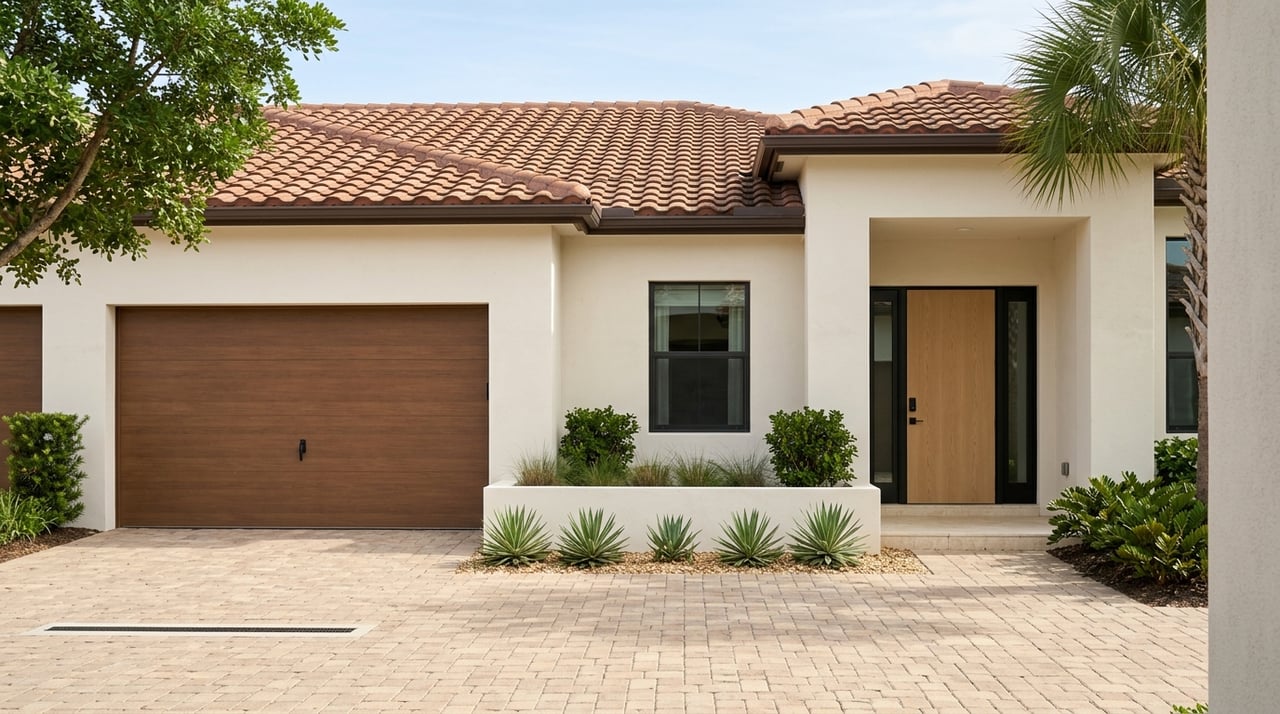
A detached waterfront home usually gives you more privacy, more direct control over the property, and more private outdoor space. If your vision of waterfront living includes a yard, dock, lift, or a more private setting, a single-family home may better match that lifestyle.
You also gain greater autonomy over exterior decisions. Instead of working within a building-level framework, you are usually making owner-level choices about maintenance, repairs, and storm preparation. That can be a major advantage if you want flexibility, but it also means more responsibility.
In a Miami waterfront setting, that responsibility often includes the roof, exterior finishes, landscaping, seawall, dock, lift, and hurricane protection. Unlike condo ownership, where many of these issues are handled at the association level, a single-family owner often manages them directly.
What Single-Family Buyers Should Evaluate
With a waterfront house, your due diligence shifts away from reserve studies and toward the property itself. You will want to understand the age, condition, and remaining life of the home and site improvements. Waterfront-specific features deserve close attention because they can have a meaningful impact on future costs.
Key follow-up questions often include:
- Who maintains the dock, seawall, and lift?
- What repairs or replacements may be needed soon?
- What hurricane protection systems are in place?
- What exterior elements may need near-term investment?
- Is an elevation certificate available for the property?
For buyers who want more freedom and a more private ownership experience, this level of responsibility may still feel like the right trade.
Flood Risk Matters in Both Choices
In Miami-Dade, flood awareness should be part of every waterfront purchase decision. The county states that it is particularly susceptible to flooding from major rain events and storm surge because it sits close to sea level and is surrounded by the Atlantic Ocean, Biscayne Bay, and many rivers, lakes, and canals. Miami-Dade also provides flood-zone maps, a flood-risk viewer, and sea-level-rise tools that can help buyers review property-level risk.
This is not just a box to check during due diligence. Flood exposure can shape insurance costs, financing requirements, and your comfort level with a specific property. Two waterfront properties with similar views may present very different risk profiles.
Insurance Questions to Ask Early
Florida’s Office of Insurance Regulation says most homeowners and business policies do not cover flooding, so flood insurance is typically purchased separately. It may also be required by a lender in higher-risk areas. The state notes that flood coverage is available for homeowners and condo unit owners, and that private flood insurance options exist alongside NFIP-backed coverage.
That makes early insurance conversations especially important in Miami. Before you get too far into a condo or house search, it helps to understand what type of flood coverage may be needed and how that might affect your monthly ownership costs.
Compare Lifestyle Before You Compare Views
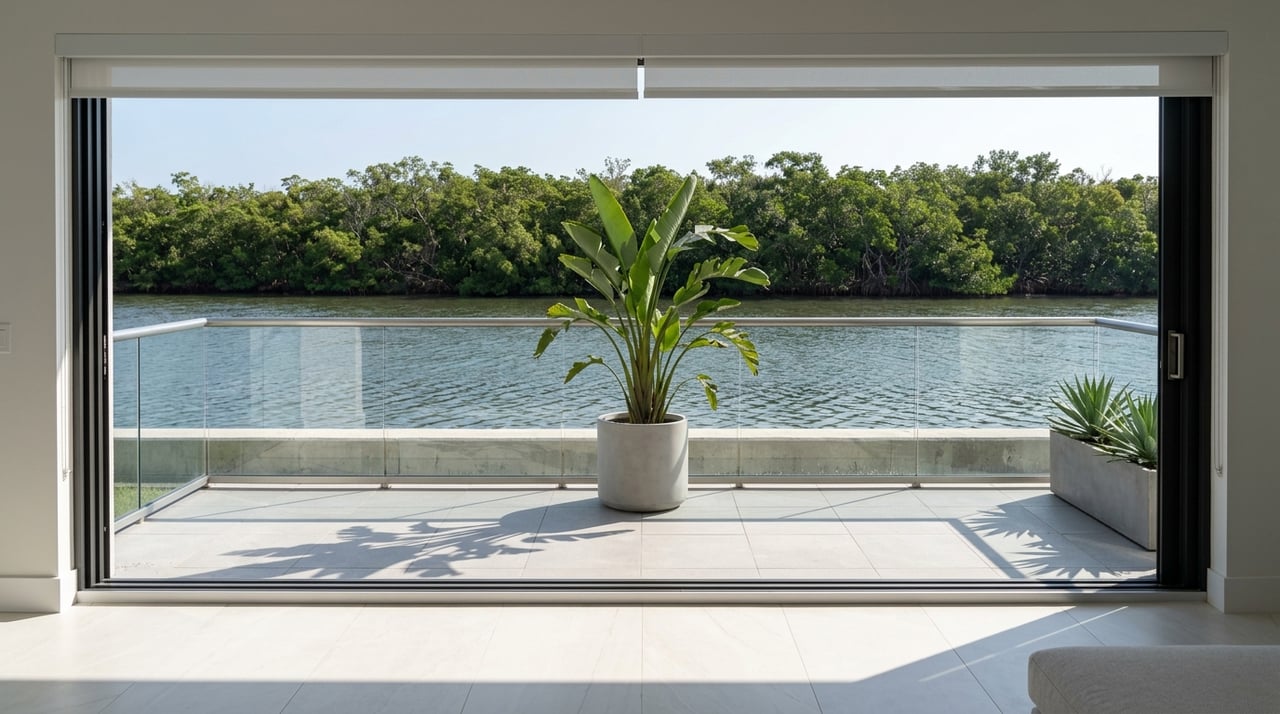
It is easy to focus first on water exposure, skyline views, or outdoor entertaining space. Those things matter, but they should not be the only drivers of your decision. The better comparison is usually built around how you want to live once the excitement of closing day is over.
A condo often trades some privacy and control for simpler maintenance, shared services, and a more managed day-to-day experience. A single-family waterfront home often trades easier upkeep for more privacy, more outdoor space, and more direct control of the property.
A Simple Decision Framework
If you are deciding between the two, consider these questions:
- Do you want a more hands-off ownership experience?
- How comfortable are you with exterior maintenance and storm prep?
- Do you prefer private outdoor space or shared amenities?
- Would you rather pay monthly dues for shared responsibilities, or handle more items directly as they arise?
- Are you prepared to review condo budgets, reserve studies, and inspection records if you buy in a building?
- Are you prepared to evaluate seawalls, docks, roofs, and elevation details if you buy a house?
Your answers can quickly reveal which option fits your priorities better.
Smart Questions for Miami Waterfront Tours
No matter which path you lean toward, asking the right questions during tours can save you time and reduce surprises later. In Miami’s waterfront market, the details behind the listing often matter just as much as the listing itself.
For condos, ask:
- What do the monthly dues cover?
- What remains the owner’s responsibility?
- Has the building completed, or is it scheduled for, a milestone inspection?
- Is there a structural integrity reserve study, and do reserves align with it?
- Are any special assessments likely?
For single-family homes, ask:
- What is the official flood zone?
- Is an elevation certificate available?
- What is the condition of the roof and exterior systems?
- What waterfront features are owner-maintained?
- Are major repairs or replacements expected soon?
These questions can help you move beyond surface appeal and compare properties with more confidence.
The Right Fit Depends on Your Priorities
There is no universal winner between Miami waterfront condos and single-family homes. The better choice depends on how you weigh privacy, maintenance, flexibility, monthly carrying costs, and building or site risk. In today’s Miami-Dade market, condos may offer more inventory and a slower pace, while single-family homes may offer more privacy and control in a tighter market.
The key is to choose the kind of ownership that supports your lifestyle, not just your wishlist. When you evaluate both the property and the responsibilities that come with it, you put yourself in a much stronger position to buy well.
If you want a calm, low-pressure conversation about how to compare waterfront condos and single-family homes in Florida, Eric Womack is here to help you sort through the options and move forward with clarity.
FAQs
What is the main difference between a Miami waterfront condo and a single-family waterfront home?
- A waterfront condo usually offers shared maintenance and less day-to-day exterior responsibility, while a single-family waterfront home usually offers more privacy, outdoor space, and direct control over the property.
Are Miami waterfront condos easier to buy than single-family homes in the current market?
- Countywide March 2026 data suggests condo buyers generally have more inventory and a slower-moving market to work with, while single-family homes have tighter supply and faster timelines.
What documents should buyers review for a Miami waterfront condo?
- Buyers should review the declaration, articles, bylaws and rules, annual financial statement, annual budget, milestone inspection summary if applicable, the most recent structural integrity reserve study or a statement that none exists, and any turnover inspection report if applicable.
What should buyers check for a Miami single-family waterfront home?
- Buyers should focus on the property’s physical condition and site improvements, including the roof, exterior systems, seawall, dock, lift, hurricane protection, flood zone, and whether an elevation certificate is available.
Do Miami waterfront condos and homes need flood insurance?
- Flood insurance is not usually included in standard homeowners or business insurance policies, so buyers should ask early whether separate flood coverage may be needed and whether a lender will require it for the property.
Why do condo reserves matter when buying a Miami waterfront unit?
- Condo reserves matter because they reflect how the association plans for major structural and building-system costs, which can affect monthly dues, special assessment risk, and your long-term ownership costs.