If you want a home that feels like a getaway without turning into a full-time maintenance project, Orlando should be on your radar. For many buyers, the goal is simple: enjoy luxury, convenience, and access to world-class attractions while keeping day-to-day upkeep manageable. The good news is that Orlando offers several ways to do exactly that, from resort condos to golf villas to master-planned communities with shared maintenance. Let’s dive in.
Why Orlando Works for Lock-and-Leave Living
Orlando is built around lifestyle. Visit Orlando highlights the region’s major draws, including Walt Disney World, Universal Orlando Resort, SeaWorld Orlando, LEGOLAND Florida, water parks, shopping, and resort experiences. That mix makes the area especially appealing if you want a second home, a part-time residence, or a lower-maintenance primary home near year-round entertainment.
The real advantage is not just location. It is the variety of home types that support a lock-and-leave lifestyle. In the Orlando area, that often means condos, villas, or homes in HOA communities where some exterior or common-area maintenance is handled for you.
What Lock-and-Leave Really Means
“Lock-and-leave” sounds simple, but it can mean different things depending on the community. In one neighborhood, it may mean the association handles landscaping, common areas, and exterior upkeep. In another, it may also include services like security, package handling, or onsite management.
That is why it helps to look beyond the marketing phrase. The real question is how much responsibility stays with you when you are away. Some buyers want a true low-touch setup, while others are comfortable managing more in exchange for privacy or a larger home.
Orlando Community Types to Consider
Resort and golf communities
If you want a vacation-style experience with amenities close at hand, resort and golf communities are a natural fit. These communities often appeal to buyers who want easy arrivals, flexible use, and a polished lifestyle feel.
Reunion Resort & Golf Club is one of the clearest examples in the Orlando area. The resort says it is just minutes from Walt Disney World and offers luxury villas and vacation homes, three championship golf courses, a 5-acre water park, tennis and pickleball, mini golf, and onsite dining. Its housing options range from condo-style residences with one to three bedrooms to larger vacation homes.
ChampionsGate also fits this category. The Villas at ChampionsGate are described as luxury golf condominiums about five minutes from Walt Disney World Resort and next to the Omni Orlando Resort. The broader community includes golf, spa and fitness facilities, pools, dining, and other resort amenities.
Branded luxury enclaves
At the top of the market, branded luxury communities offer a more service-oriented version of lock-and-leave living. These properties can combine privacy with hospitality-style support, which is attractive if you travel often or want a highly managed home base.
Golden Oak at Walt Disney World is a strong benchmark for this niche. Materials tied to the Golden Oak and Four Seasons ecosystem reference resort pools, spa and fitness access, tennis, dining, concierge support, bellman and doorman services, package handling, in-residence maintenance, housekeeping, and away-from-home services. Some of these services may involve added fees and may vary by residence, so buyers should verify exactly what applies to the specific property they are considering.
Lake Nona Golf & Country Club is another important luxury reference point in Orange County. The club says it sits within the 17-square-mile Lake Nona community in Southeast Orlando and offers estate homes, a Tom Fazio championship golf course, and a service-driven amenity environment. In the broader Lake Nona master plan, you can also find single-family homes, townhomes, apartments, and estates, which gives buyers more ways to match maintenance level with lifestyle goals.
Master-planned low-maintenance communities
Some buyers want a luxury feel without a resort setting. In that case, master-planned communities can offer a strong middle ground. You may get a more residential atmosphere while still benefiting from shared upkeep and community amenities.
Celebration is a useful example. The town’s official information highlights resident access to pools, parks, playgrounds, and other facilities. Its maintenance information also lists common-area maintenance, landscape maintenance, aquatic weed control, mosquito control, security, stormwater management, street sweeping, and street trees, which shows how much of the shared environment may be handled at the community level.
Active-adult low-maintenance options
If your priority is simplifying daily life, active-adult communities deserve a close look. These neighborhoods often focus on practical floor plans, easy upkeep, and amenities that support a more relaxed routine.
Del Webb Sunbridge is a clear Orlando-area example. Del Webb describes its Orlando 55+ communities as being within 45 minutes of downtown Orlando and highlights amenities such as sports courts, a fishing dock, community gardens, and walking paths. Sunbridge specifically offers a gated, low-maintenance lifestyle with a 27,000-square-foot amenity center, an onsite tavern and grille, a resort-style zero-entry pool with lap lanes, and a mix of single-family homes and villas.
Features That Matter Most
When you are shopping for lock-and-leave luxury, floor plan matters just as much as community type. A beautiful home can still feel like work if the layout does not support easy everyday living or simple departures.
For many buyers, the most useful features are straightforward ones:
- Single-story layouts or a first-floor primary suite
- Open-concept kitchens and main living spaces
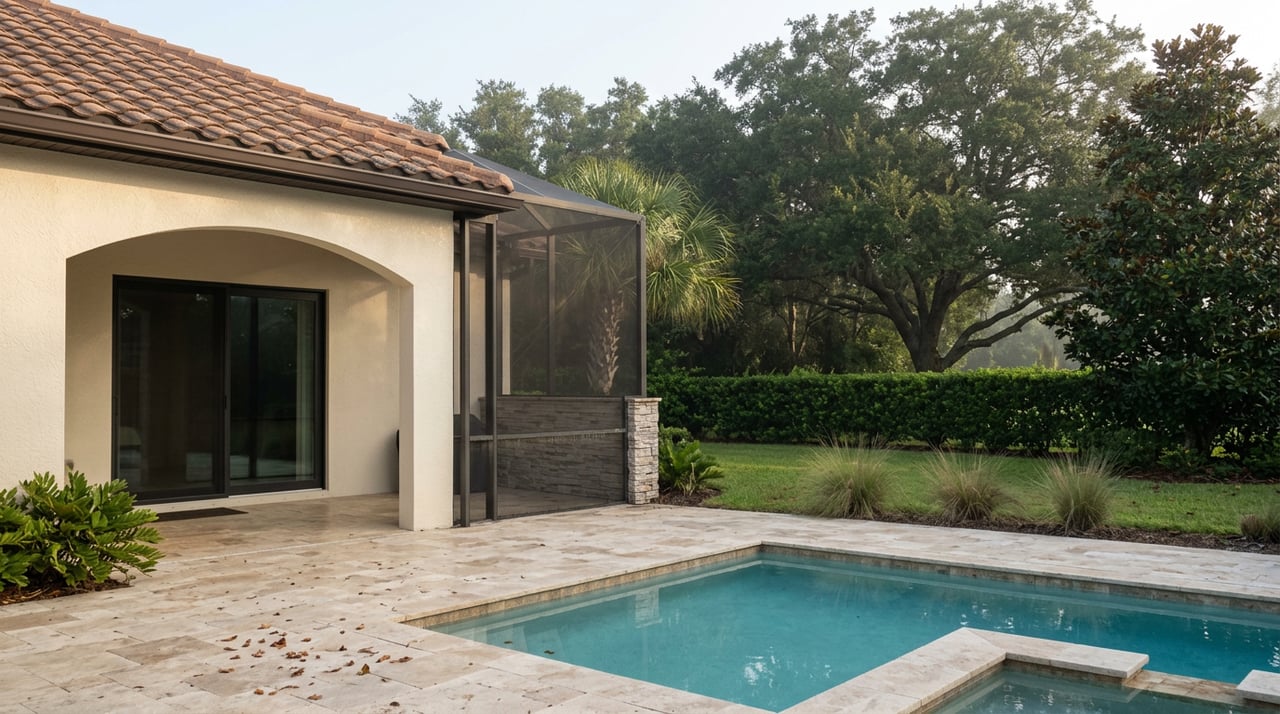
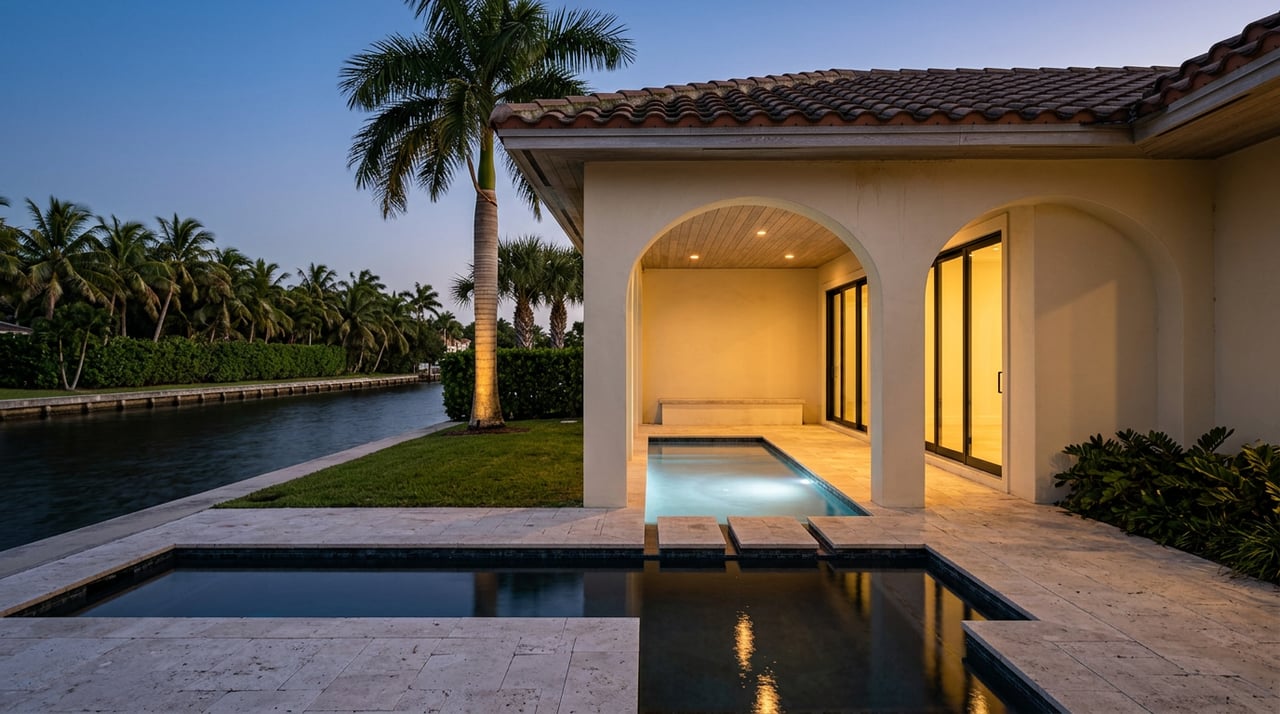
- Covered lanais for easy indoor-outdoor living
- Flexible guest rooms or bonus space
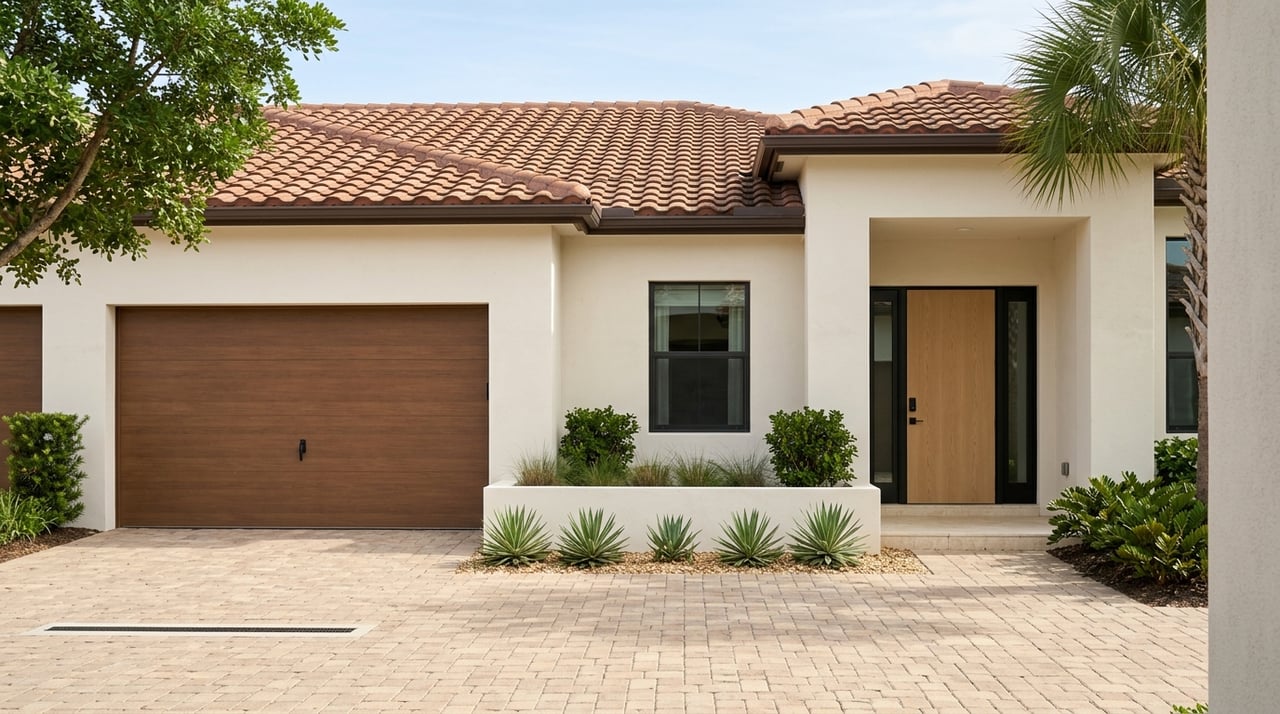
- Attached garages
- Storage that keeps the home easy to organize during long absences
In the upper luxury tier, some homes may also include features that support easier ownership, such as home automation, golf-cart garages, guest casitas, or service-oriented property support. A current Golden Oak resale sheet, for example, shows features like a separate golf-cart garage and automation components.
Lake Nona’s newer neighborhoods also show how townhomes and modern single-family homes can offer open layouts, flexible spaces, and first-floor guest suites. For some buyers, that is the sweet spot: a polished home base with less upkeep than a large estate property.
What to Verify Before You Buy
This is where smart planning matters most. In Florida, homeowners’ associations are governed by Chapter 720 and condominiums by Chapter 718, so your first step is to confirm whether the property is in an HOA or a condo association. From there, review the declaration, bylaws, rules, budget, and financial records.
For condo buyers, the Florida Department of Business and Professional Regulation emphasizes access to official records, budgets, reserves, elections, and structural integrity reserve studies. These details are especially important if your goal is predictable ownership with fewer surprises. A community may look turnkey on the surface, but the documents tell you what ownership really involves.
Focus on what the dues cover
Monthly or quarterly dues only tell part of the story. The bigger question is what those dues actually pay for.
In one community, dues may cover landscaping, common-area care, security, and stormwater work. In another, you may find a much broader service model that can include concierge support, package handling, housekeeping, or in-residence maintenance. That difference can have a major impact on convenience, cost, and overall fit.
Review condo building requirements
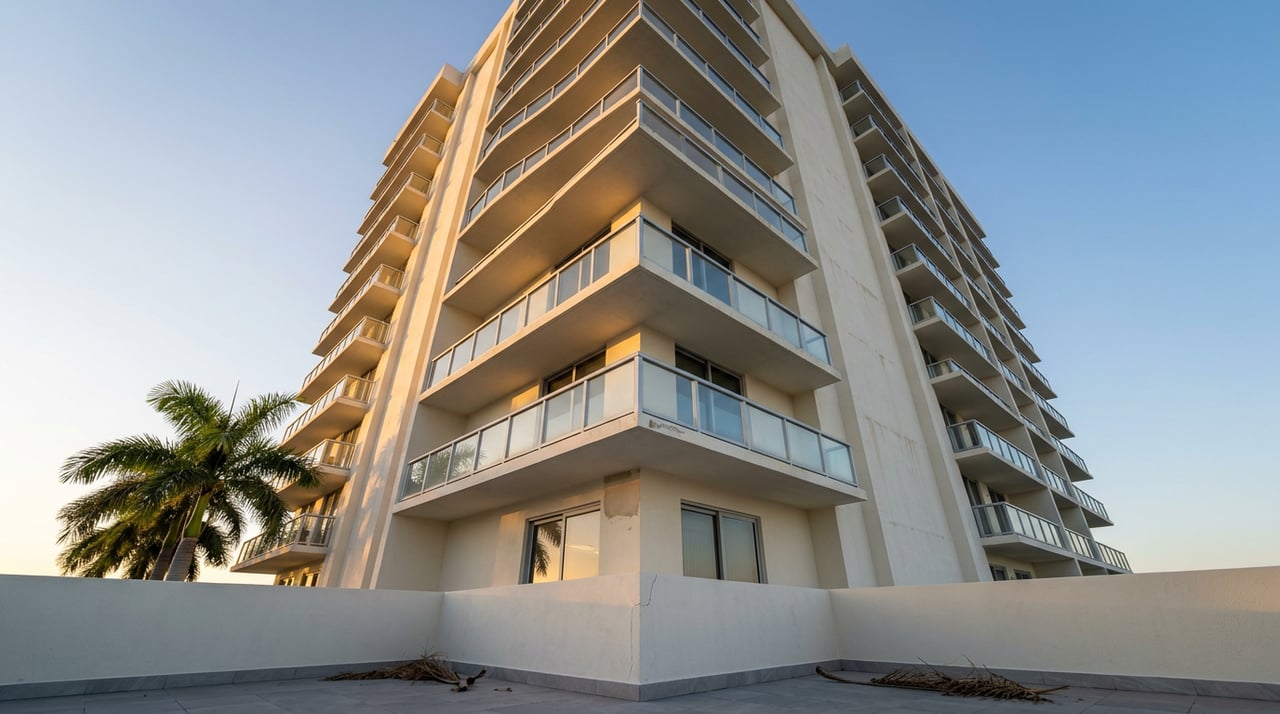
If you are considering a condo or mixed-use building, pay close attention to building-condition requirements. DBPR states that residential condominiums and cooperatives that are three or more habitable stories must complete milestone inspections at 30 years and every 10 years after that, or at 25 years in some local cases. Owners are responsible for arranging and paying for those inspections through the association structure.
DBPR also states that, beginning January 1, 2026, condo associations managing 25 or more units must maintain a website or mobile app with specified records and provide login access to unit owners. For buyers, that can improve access to key documents during ownership.
Questions to Ask Before Choosing a Community
A lock-and-leave purchase works best when your lifestyle and the community’s rules line up. Before you move forward, ask practical questions that help you compare options clearly.
Use this checklist as a starting point:
- What exactly does the HOA or condo association maintain?
- Are there reserve concerns or possible special assessments?
- How long can you leave the property vacant?
- Are rentals allowed, and if so, under what rules?
- Does the floor plan make arrivals, entertaining, and departures easy?
- Is the community more focused on vacation convenience, year-round living, or both?
These answers can vary widely across the Orlando area, even within communities that appear similar at first glance. Taking time to compare the details can help you avoid a mismatch later.
Choosing the Right Orlando Fit
The right choice depends on how you plan to use the home. If you want a true getaway atmosphere near the attractions, a resort or golf community may feel right. If you want a service-rich ownership experience, branded luxury options may offer the convenience you value most.
If your goal is steady, low-maintenance living with a more residential feel, a master-planned community or active-adult neighborhood may be a better match. There is no single best answer, only the best fit for your routine, travel patterns, and comfort with ongoing maintenance responsibilities.
A smart search in this category should look beyond photos and amenities. You want to understand how the community functions, what support is built into ownership, and how the home will serve you when life gets busy. That is where clear guidance can make the process feel a lot easier.
If you are comparing Orlando-area lock-and-leave luxury options and want a calm, organized strategy, Eric Womack can help you evaluate communities, floor plans, and ownership details with clarity and confidence.
FAQs
What does lock-and-leave living mean in Orlando?
- In Orlando, lock-and-leave living usually refers to condos, villas, or HOA communities that reduce some of the upkeep burden through shared maintenance, common-area care, or onsite services.
Which Orlando communities fit a lock-and-leave luxury lifestyle?
- Examples in the Orlando area include Reunion Resort & Golf Club, ChampionsGate, Golden Oak at Walt Disney World, Celebration, Lake Nona, and Del Webb Sunbridge, though each offers a different mix of maintenance support and amenities.
What should buyers review in Orlando HOA or condo documents?
- Buyers should confirm whether the property falls under an HOA or condo structure and review the declaration, bylaws, rules, budget, financial records, reserves, and any community-specific maintenance responsibilities.
Are Orlando condos a good option for part-time owners?
- They can be, especially if you want less exterior upkeep, but buyers should review dues, building requirements, reserve funding, and the association’s rules before making a decision.
What home features help with lock-and-leave living near Orlando attractions?
- Many buyers look for single-story layouts, first-floor primary suites, open living areas, covered lanais, attached garages, flexible guest space, and enough storage to keep the home easy to manage during longer absences.
How do Orlando luxury communities differ in maintenance and services?
- Some communities focus on common-area care, landscaping, and security, while others may offer more service-based support such as concierge assistance, package handling, housekeeping, or in-residence maintenance, depending on the property and community structure.